Country
Italy
Location
Italy

Author
YASIROV Films
How to Elope in Italy: Places, Paperwork and Planning
A practical guide to eloping in Italy: the best places, legal and symbolic options, Dolomites rules, timing, and how an elopement film works.
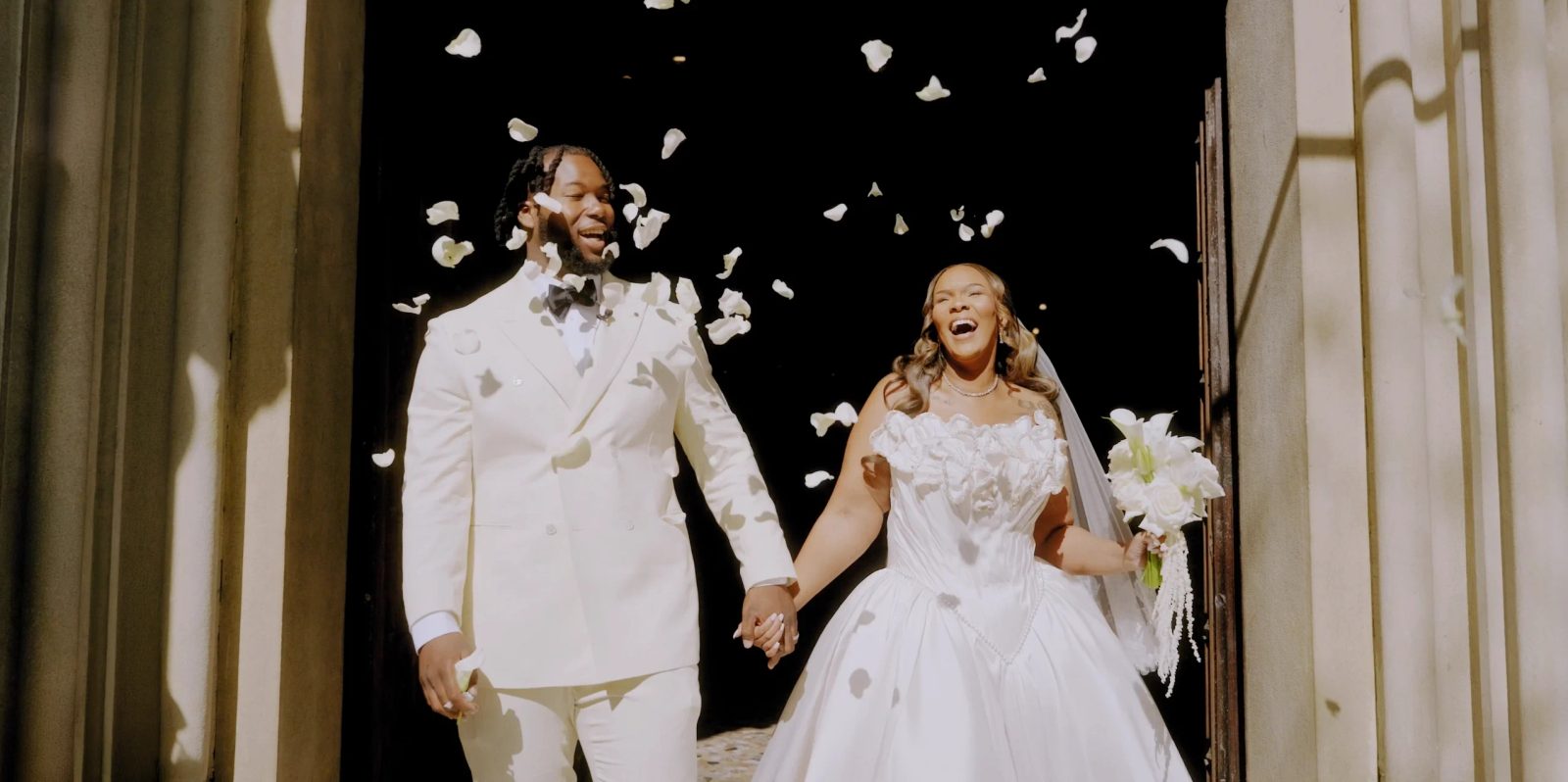
An elopement in Italy can mean two people and a celebrant on a lake terrace at sunrise, or a dozen family members at a villa followed by a long lunch. What they have in common is that the day is built around the couple, not the guest list. You can choose a place a hundred guests could never reach, change the plan if the weather turns, and spend most of the day actually being together.
We film elopements regularly, mostly on the Italian lakes. This guide covers where to elope in Italy, what the paperwork looks like, the local rules that catch couples out, and how to plan a day that still feels like a wedding.
Where to elope in Italy
Lake Como. The most popular choice, and it suits elopements well: private villa terraces, boats, small churches and lakeside villages, all within a short boat ride of each other. Villa Monastero in Varenna offers symbolic ceremonies for under thirty guests, and Villa del Balbianello has small ceremony slots. Our Lake Como elopement guide goes into detail.
Lake Maggiore and Lake Garda. Quieter than Como and usually cheaper. Maggiore has the Borromean Islands and Pallanza's lakefront villa, Garda has a wider sky and a long golden hour. See our Lake Maggiore venues and Lake Garda venues.
Tuscany. An elopement here usually means an agriturismo or a small villa, a ceremony in the vines or under a single old tree, and a long dinner after. Read our Tuscany guide.
The Amalfi Coast. Positano and Ravello are better for small weddings than large ones, because of the steps and the space. An early ceremony on a terrace over the sea, then a boat along the coast, is hard to beat. See our Amalfi Coast guide.
Venice. Ideal for a city elopement: a legal ceremony at Palazzo Cavalli on the Grand Canal, a gondola, and empty streets at dawn. Our Venice guide covers the fees and filming rules.
The Dolomites. Mountain elopements have become very popular, and local towns are now pushing back. Read the section on rules below before you plan one.
Legal or symbolic?
You can marry legally in Italy as foreigners. You need a nulla osta, a declaration from your embassy that you are free to marry, legalised documents, two adult witnesses and an interpreter if either of you doesn't speak Italian. You also make a declaration of intent at the town hall a day or a few days before. The ceremony takes place at the town hall or at a venue the town has approved. Our Lake Como cost guide lists real town hall fees, from about €600 in Bellagio.
A symbolic ceremony has no legal weight and no paperwork. You marry legally at home, before or after, and in Italy you can hold the ceremony anywhere you have permission to be, at any time of day. Most of the elopements we film are symbolic, for exactly that freedom: sunrise on a terrace, a ceremony on a boat, no fixed town hall slot.
Rules that catch couples out
Public places. A ceremony in a public square, on a beach or in a park needs permission from the local comune, often with a fee. "We'll just find a quiet spot" works for portraits but not for a ceremony with a celebrant and chairs.
The Dolomites. Some South Tyrol towns now limit weddings for non-residents because demand grew so fast. In 2026 Lana restricted civil weddings to residents, Fiè allo Sciliar capped the number of foreign weddings each year, and other towns raised fees or limited days (il Dolomiti). Drones are banned in the main protected parks, including the areas around Seceda, Braies and the Tre Cime, and wedding footage doesn't get an exemption. Lago di Braies also restricts road access in high summer unless you pre-book parking.
Villas and gardens. Famous gardens often allow portraits with a ticket but charge for a ceremony or a professional shoot. Always ask before you plan a ceremony at a site you have seen on Instagram.
Drones in general. Italy follows EU drone rules under ENAC, with no-fly zones around airports, cities and parks. Venice's historic centre is a no-fly zone.
Planning the day
Time of day. The best elopement light is at the edges of the day. A sunrise ceremony gives empty locations and soft light. A late afternoon ceremony followed by portraits at sunset gives warm light and a dinner straight after.
Length of coverage. Most elopements need four to six hours of filming: getting ready, the ceremony, portraits in two or three places, and the first part of dinner.
Two locations, not five. Moving between places eats time. Pick a ceremony spot and one or two portrait locations close to it, and leave room to stay where the moment is good.
A backup. Weather on the lakes and in the mountains changes quickly. Have a covered option close to your ceremony spot, and a plan for moving the time by an hour.
Season. May, June and September are the easiest months almost everywhere. Winter elopements on the lakes can be beautiful and quiet, but some villas and gardens close from November to March.
What an elopement film looks like
An elopement film is closer to documentary than a full wedding film. With fewer people, there are no speeches to cover and no crowd to work around, so we can spend the time on the two of you: the vows, the walk afterwards, the boat, the dinner. Our elopement films start from €1,500, with travel and accommodation included for elopements in the Lake Como, Lake Maggiore and Lake Garda areas. For elopements elsewhere in Italy, we quote travel separately for your date and place.
If you are planning a proposal rather than a wedding, our sister studio The Lake Proposal films surprise proposals on Lake Como.
Frequently asked questions
Can you legally elope in Italy?
Yes. Foreign couples can marry legally with a nulla osta, two witnesses and an interpreter if needed, at a town hall or an approved venue. Many couples choose a symbolic ceremony in Italy and marry legally at home.
Where is the best place to elope in Italy?
Lake Como is the most popular, with Lake Maggiore, Tuscany, the Amalfi Coast and Venice close behind. For mountains, check the local rules in the Dolomites first, because several towns now limit weddings for non-residents.
How much does an elopement in Italy cost?
It depends on the place and how many people join you. Venue ceremony fees on Lake Como start around €2,000 to €3,500 at villas like Carlotta or Monastero, and town hall ceremonies from about €600. Our elopement films start from €1,500.
Do we need witnesses to elope in Italy?
For a legal ceremony, yes: two adult witnesses who are not the couple. Ask two friends or family members rather than your vendors, who will be busy working. For a symbolic ceremony, no witnesses are required.
Planning an elopement in Italy? Tell us where and when, and see our films on the work page.
Other stories you may like
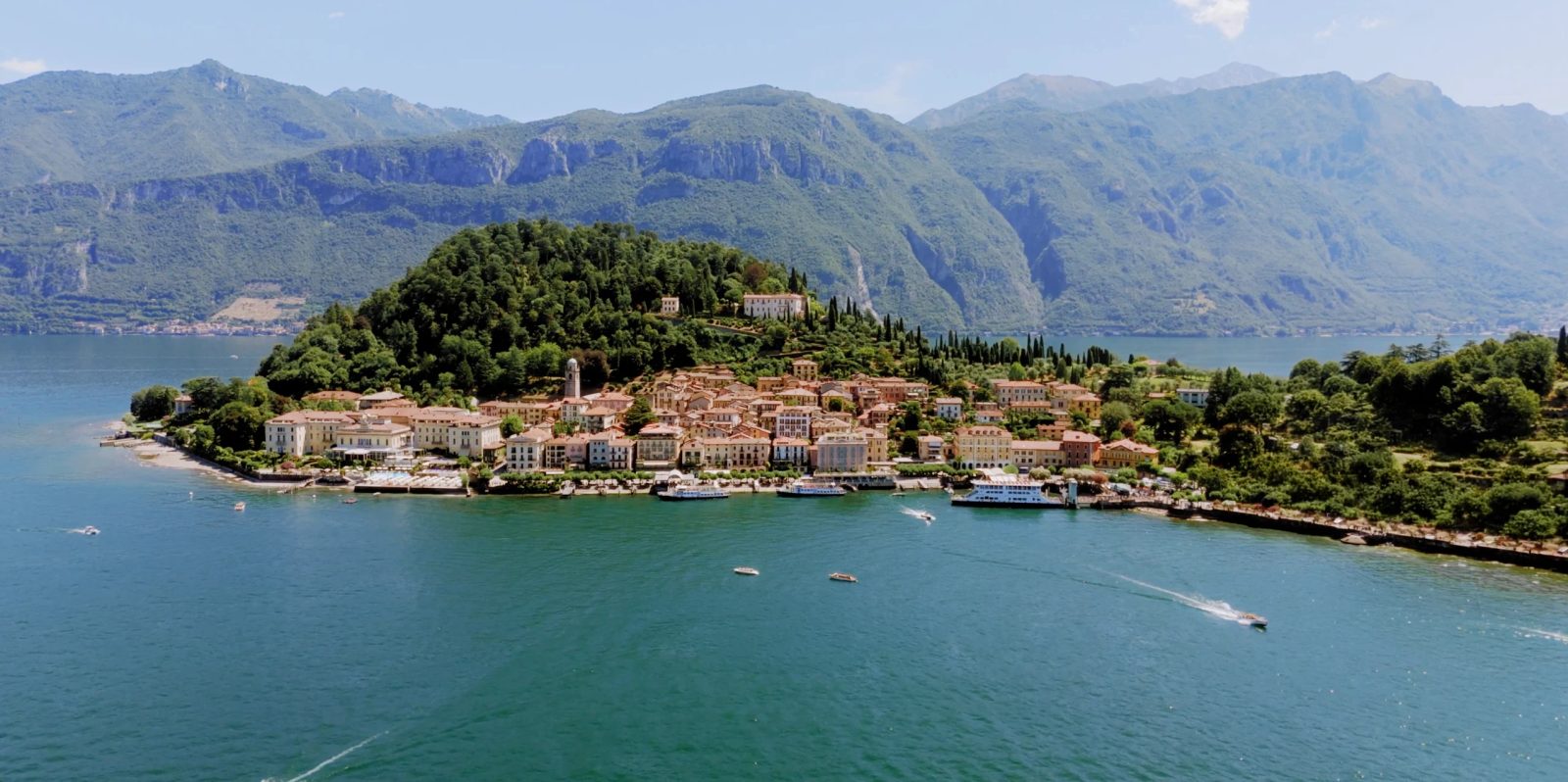
Wedding Locations in Italy: Where to Get Married
Lakes, hills, coast or city? A filmmaker's comparison of the best wedding locations in Italy, with real venues we have filmed and how to choose.
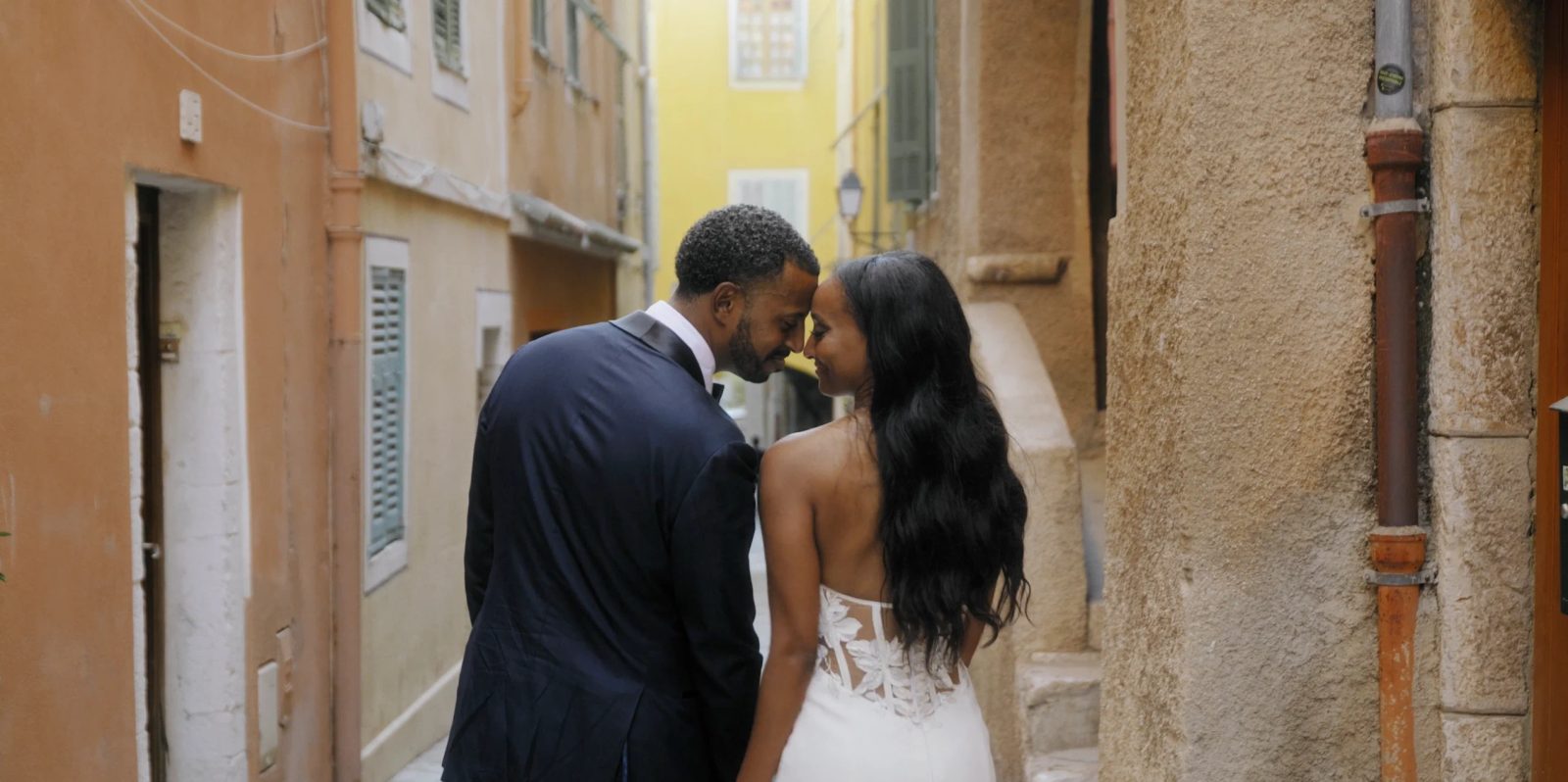
Venice Wedding Videographer: A Planning Guide
A filmmaker's guide to Venice weddings: legal ceremonies at Palazzo Cavalli, 2026 town hall fees, palazzo venues, boats, filming permits and early morning light.