Country
Italy
Location
Lake Como

Author
YASIROV Films
Elopement Videographer on Lake Como
Updated
Eloping on Lake Como: small-ceremony locations, how filming an elopement differs from a full wedding day, the logistics, and what the film costs.
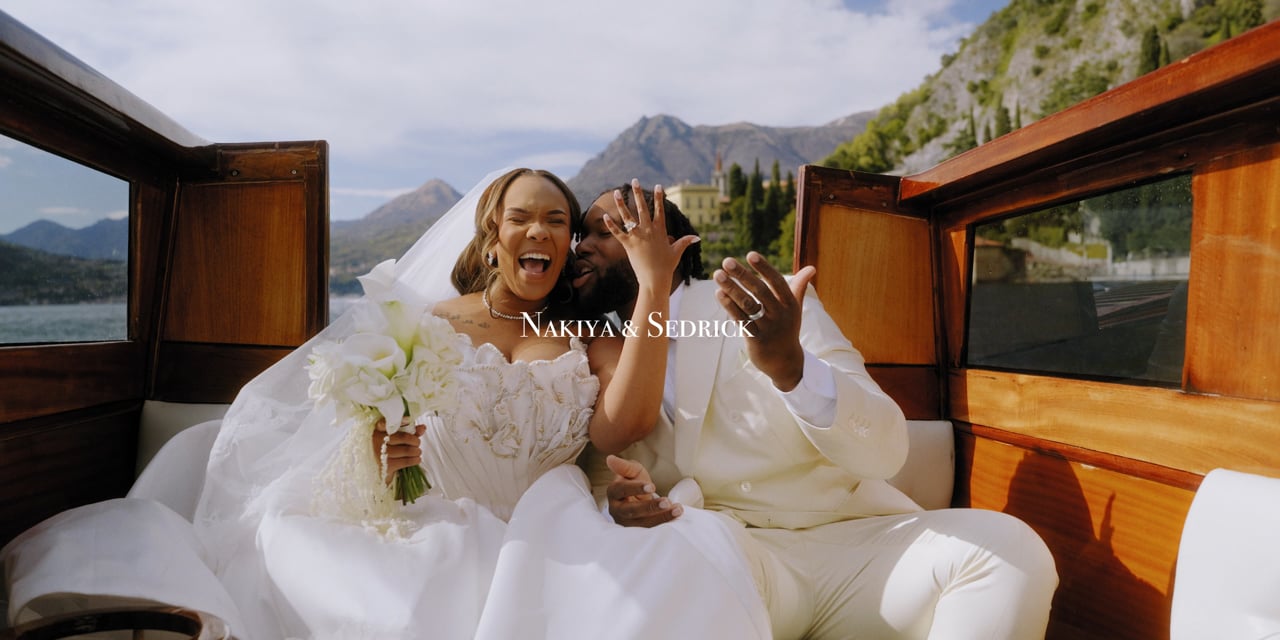
Not every wedding needs two hundred guests, a marquee and a year of planning. An elopement on Lake Como strips a wedding down to the parts that matter most: the two of you, the vows, and a setting that does the rest of the work. We film elopements regularly, alongside full weddings and proposals, and they're some of the most personal, unhurried days we get to be part of.
Why Lake Como suits elopements
Como's appeal for a small ceremony is the same appeal it has for a five-hundred-guest wedding, just without the logistics of a large event. The lake gives you mountains and water without needing a big venue at all: a quiet garden, a stone terrace, a boat on the water. And because Como already draws couples from all over the world, the region is used to small, private ceremonies rather than treating them as an afterthought to bigger weddings.
An elopement here also opens up locations that would be impractical for a hundred-guest wedding. A narrow lakeside path, a small garden terrace, a rooftop with space for four people: these become real options once you're not planning around a guest list.
Best small-ceremony locations on Como
Villa gardens with lake views are a natural fit. Many of the region's villas offer private garden ceremonies without booking the full property, since an elopement's footprint is small enough to fit into a quieter corner of the grounds. In Varenna, for example, Villa Monastero offers ceremonies for up to 30 people in its lakeside gardens. It stays open to visitors at the same time, so an early slot is the quietest. Its neighbor, Villa Cipressi, is covered in our Villa Cipressi guide.
Bellagio and Varenna, the two towns most associated with Como's postcard image, both have quiet lakeside spots that work well for an intimate ceremony. They're best early in the morning, before the day-trip crowds arrive. If you're hoping for a church ceremony, check the rules first: Varenna, for example, does not allow non-residents to hold religious ceremonies in its churches.
For couples who want something more private, a boat ceremony on the lake itself is worth considering: vows exchanged mid-lake with the villages and mountains around you, followed by a slow cruise past some of Como's best-known villas. It's one of the more distinctive ways to elope here, and it naturally limits the day to the two of you and whoever's filming. A ceremony on a boat can only be symbolic, though (see below).
Legal or symbolic?
Most couples who elope to Lake Como hold a symbolic ceremony and sign the legal paperwork at home, before or after the trip. A symbolic ceremony can happen anywhere the owner allows, at any time, in any language, with a celebrant of your choice or no officiant at all.
A legal civil ceremony in Italy is possible for foreign couples, but it has fixed requirements:
- It must take place in a town hall or a venue registered with the comune, never on a boat or a public path.
- You need a Nulla Osta or equivalent declaration from your country (the process differs for US, UK, EU and other citizens) and should start on the documents several months ahead.
- You file a declaration at the comune a few days before the ceremony.
- You need two witnesses and a certified interpreter if you don't speak Italian.
- Fees depend on the town and time. At the time of writing, a civil ceremony in Varenna's town hall costs roughly €800-2,000 depending on season and time of day.
A local planner can handle the paperwork and the booking with the comune.
Best time of day and year
For an elopement, early morning is the most underrated slot. The lake is often at its calmest, villages are empty, and you have the ferry piers and lakeside paths almost to yourselves. Evening is the other option, for the warm light before sunset. In Como, sunset is around 20:50 in mid-May, 21:15 in mid-June and 19:35 in mid-September (at the time of writing), and on many shores the sun drops behind the mountains earlier than that.
Mid-April to mid-June and September are the most pleasant months. July and August are hot and busy, with occasional afternoon thunderstorms. Because an elopement is small and flexible, it also works in quieter months like October, when there are fewer visitors and the hills turn autumn colors. Always keep a covered backup spot in mind.
Getting around
Most couples fly into Milan Malpensa, Linate or Bergamo, all roughly one to two hours from the central lake by car. Trains from Milan reach Como and Varenna. Public ferries run by Navigazione Laghi connect the towns, but for an elopement day a private boat or water taxi gives you control over timing and lets you move between two or three locations. See our Lake Como wedding guide for more on transfers, weather and venues.
How elopement filming differs from a full wedding
The biggest difference isn't the equipment or the approach, it's the shape of the day. A full wedding has a long, structured timeline: preparation, ceremony, cocktail hour, reception, dancing. An elopement often fits into a few unhurried hours, sometimes just a morning, which means we can spend more time on each moment rather than moving quickly between scheduled segments.
It also changes how present we are. On a large wedding, we're working to stay unobtrusive among dozens of guests and a full vendor team. On an elopement, it's often just us and the couple (and sometimes an officiant or a witness), so the day feels less like an event being filmed and more like two people being documented on a meaningful day. Couples who choose to elope often want exactly that, less performance and more honesty, and we shape our coverage around it rather than importing the structure of a big wedding into a small one.
Elopement films also tend to be shorter and more intimate in the edit. Instead of a full wedding-day narrative, the final film often plays like a quiet short story: the walk to the location, the vows, the reaction right after, the view from wherever you chose to say them. We record the vows with dedicated microphones, so your words are as clear as the picture.
A sample elopement timeline
A typical morning elopement in the central lake might look like this:
- 7:00 - Getting ready at your hotel, filming details and the last quiet minutes
- 8:30 - Private boat pickup from your hotel's pier
- 9:00 - Ceremony in a villa garden or on the boat
- 9:30 - A walk through the village before the crowds
- 10:30 - Breakfast or aperitivo by the water, and the boat back
An evening version works the same way in reverse, with the ceremony about 90 minutes before sunset.
What to book and when
- Paperwork (legal ceremony only): start 3-4 months ahead.
- Location: villa gardens and ceremony slots are in demand in May, June and September, so reserve as early as you can for those months. For 2027, it's worth starting now.
- Boat: book the private boat once you have the time and place.
- Videographer and photographer: as soon as the date is fixed. You can see our work to get a feel for how we film.
Frequently asked questions
How much does it cost to film an elopement on Lake Como?
Our elopement films start from €1,500. The price reflects the shorter, simpler scope of the day compared with a full wedding (our weddings start from €4,500). We're happy to give an exact quote once we know your date, locations and how many hours you'd like covered.
How long does an elopement typically take to film?
Most elopements we film run a few hours rather than a full day, often a single morning or afternoon covering preparation, the ceremony and some time afterward for a walk or a few relaxed moments together.
Can we legally marry on Lake Como if we elope?
Yes, with a civil ceremony at a town hall or a venue registered with the comune, as long as you have your Nulla Osta or equivalent documents, two witnesses and an interpreter if needed. Ceremonies on boats or in public spots can only be symbolic.
Do we need a permit to have a small ceremony at a specific spot on the lake?
It depends on the location. Public spots like a lakeside path generally don't require anything special for a private, informal ceremony, but a legally binding ceremony or the use of a specific villa or church has its own requirements. We can point you toward a local planner or officiant who handles this if you don't already have one.
Can you help us plan the elopement itself, not just film it?
We focus on filming rather than full planning, but we work with trusted local planners and officiants regularly and are happy to make an introduction if you need help putting the day together.
Can we combine an elopement with a proposal or a photo session on another day?
Yes. Some couples add a separate session on another day. If you're still at the proposal stage, see our guide to filming a proposal on Lake Como.
For the proposal itself, see The Lake Proposal's guide to where and when to propose on Lake Como.
If you're thinking about eloping on Lake Como, we'd love to talk through what that could look like. Write to info@yasirov.com, message us on WhatsApp at +39 339 355 0171, or use our contact page.
Other stories you may like
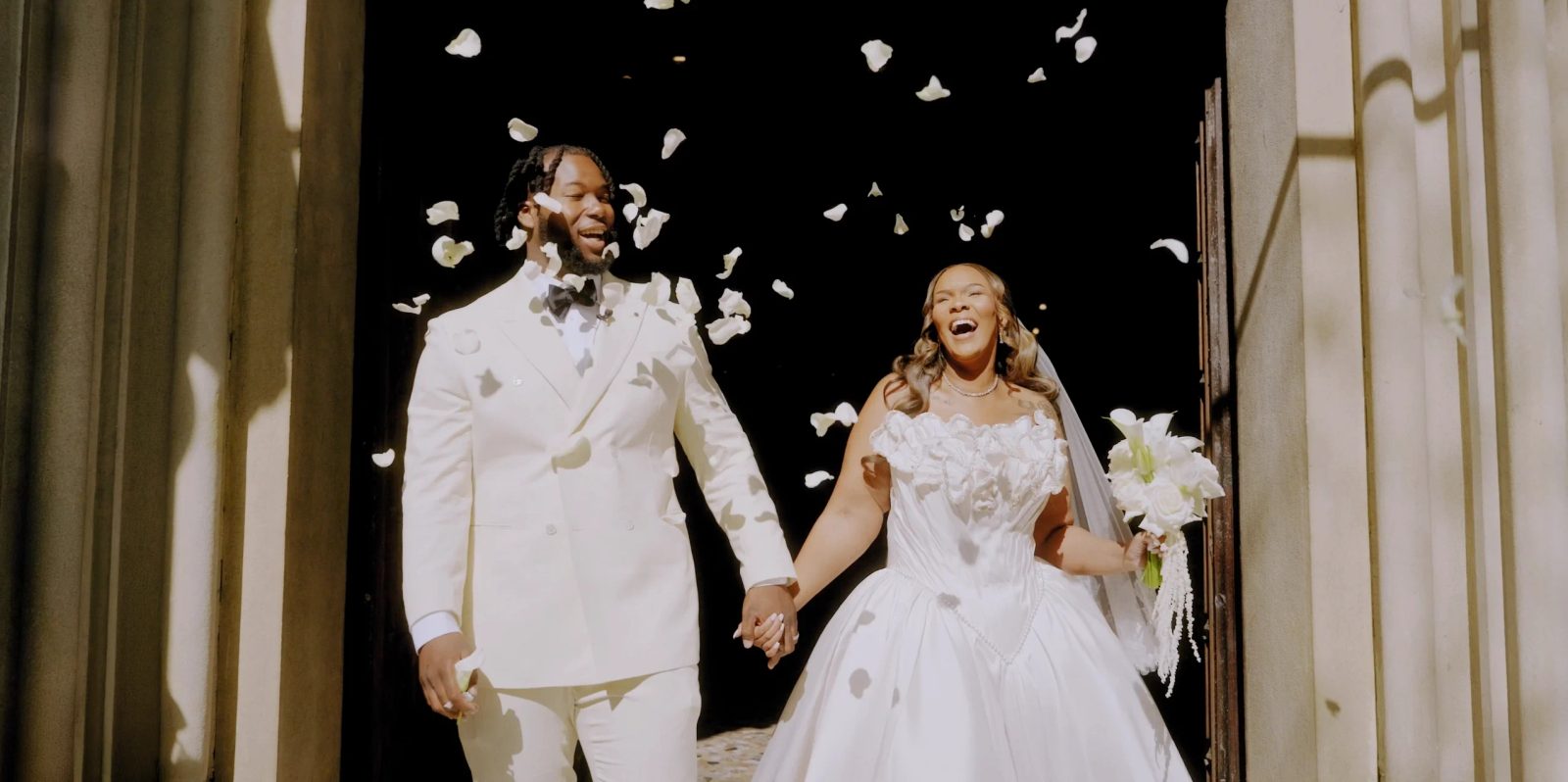
How to Elope in Italy: Places, Paperwork and Planning
A practical guide to eloping in Italy: the best places, legal and symbolic options, Dolomites rules, timing, and how an elopement film works.
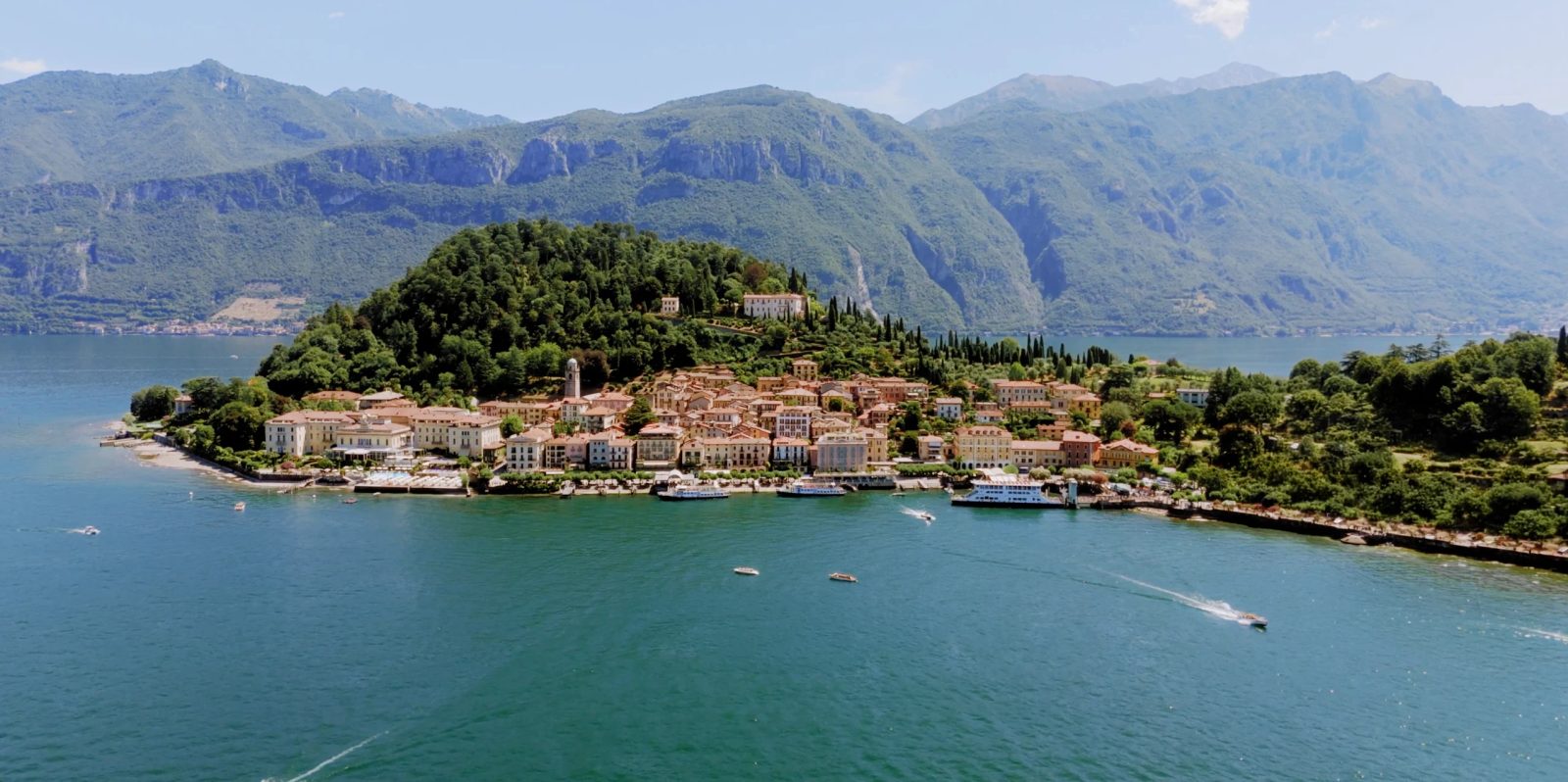
Wedding Locations in Italy: Where to Get Married
Lakes, hills, coast or city? A filmmaker's comparison of the best wedding locations in Italy, with real venues we have filmed and how to choose.