Country
World

Author
YASIROV Films
The Wedding Weekend: Why Couples Are Planning Three Days Instead of One
Nearly one in three weddings now spans three or more days. What a wedding weekend looks like, why couples are choosing it, and what it changes for guests, vendors and the photos and film.
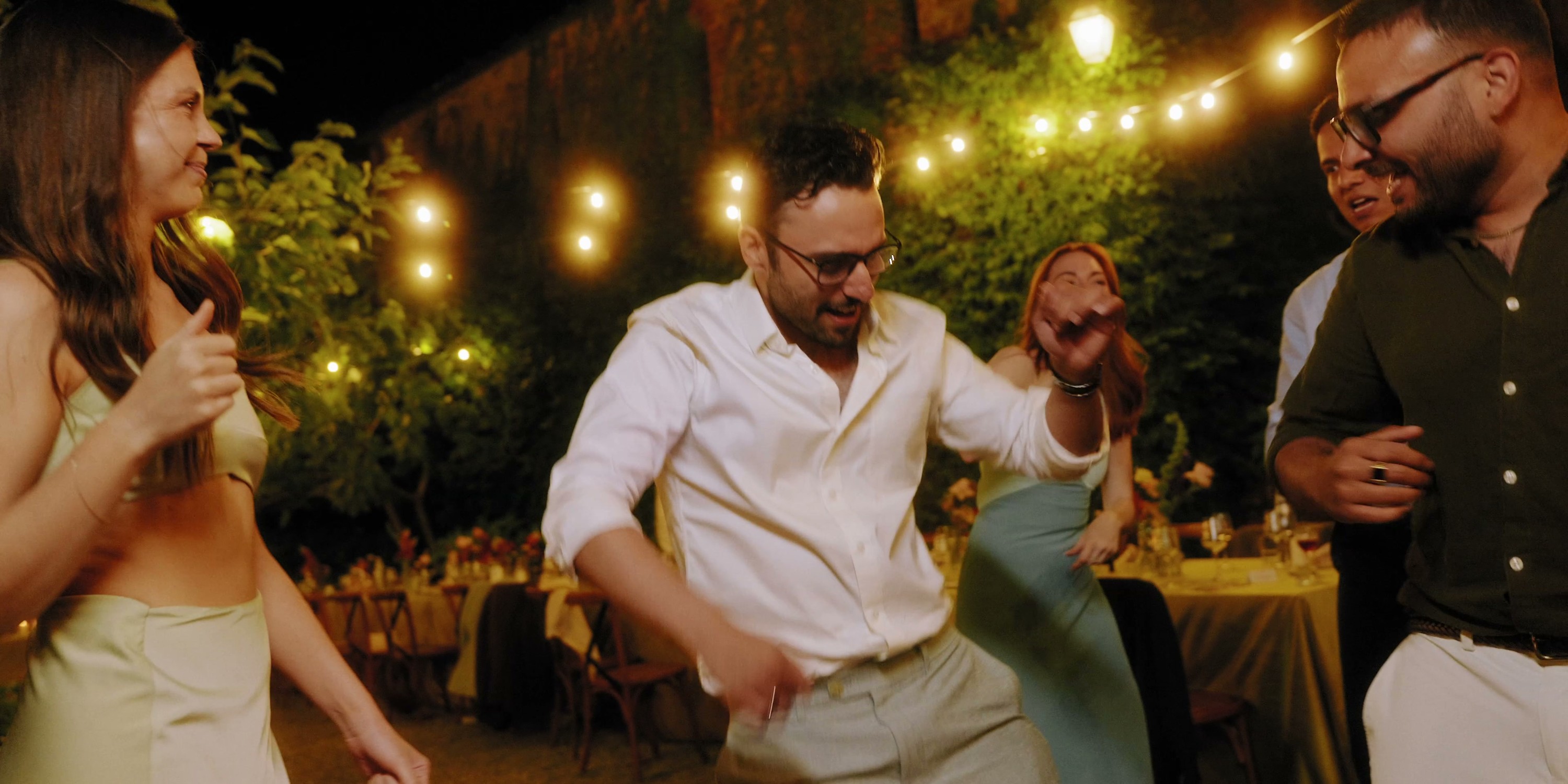
For most of the last century, a wedding was a day. Increasingly it is a weekend. The Knot's 2027 Wedding Trends Report, built on the search, save and spend data of 1.7 million U.S. couples, found that nearly one in three weddings already spans three or more days. Bridebook's trend council in the UK picked wedding weekends as one of its trends for 2027 as well. The two reports were written on different sides of the Atlantic and land on the same conclusion.
From one day to a weekend
The change is less about adding hours than about splitting the celebration into separate events. The Knot describes couples treating the courthouse ceremony, the welcome dinner and the next-day brunch as distinct occasions, each with its own style. It calls the trend "Maximizing Every Moment." Searches for custom crests, monograms and what the report calls weekend-long storytelling are up 100%, which says a lot about how couples now think of the whole thing: one story told over several chapters, with a consistent look running through them.
Venues are following. Bridebook found that UK searches for dry hire venues, where couples bring in their own suppliers rather than using the venue's package, reached 2,000 in June 2026, up 188% on the year before. Dry hire is what makes a multi-day event workable at a single location: you can book the space for the weekend and plan each day yourself.
What a wedding weekend looks like
The details vary, but the shape is usually the same. The first evening is for arriving guests: drinks, a dinner, sometimes a boat. The second day is the wedding itself. The third is slower: a brunch, a pool or beach day, a farewell party for whoever is still standing.
A four-day wedding on Lake Como, featured by WedVibes, shows how this looks in practice. Guests started with a sunset cruise on a vintage ferry from Cernobbio, with lemon trees on deck, a limoncello bar and a roaming band. The next day was a beach party at Lido di Lenno with a DJ, a saxophonist and a seafood barbecue. The wedding day had a church ceremony in Cernobbio, guests arriving at Villa Pizzo by boat, and dinner in a glass marquee in the villa's courtyard. It closed with a pool party at Lido di Cernobbio. Each day had its own mood, and none of them tried to compete with the wedding.
Why couples are choosing it
Part of the answer is travel. When guests fly in from several countries, a single evening feels like a lot of effort for a few hours together, and couples want to actually spend time with the people who came. A weekend gives room for the conversations that never happen during a busy reception.
Part of it is hospitality. The Knot found searches for interactive food and drink up 66%, from roaming aperitivo to burrata bars and late-night comfort food, and 60% of couples say including their ethnicity, religion or culture matters to them, often through food. A second or third event is the natural place for a family dish, a different tradition or a different crowd.
And part of it is pacing. Gulf News, looking ahead to 2027, points to more attention to guest comfort: transport, seating, and how the day flows. Spreading things over a weekend takes pressure off the wedding day itself. Not every tradition has to fit between the ceremony and midnight.
What it changes for vendors
Couples work with an average of 13 local wedding professionals, according to The Knot, and those vendors are increasingly booked for more than one day. The report gives the examples of a DJ who also covers the welcome party and the brunch, and a photographer who covers everything from the engagement shoot to the end of the weekend.
For photos and film, that changes what the final story can be. A wedding day film is built around a fixed run of moments: getting ready, the ceremony, speeches, the first dance. A weekend adds the parts in between. Guests arriving and seeing each other for the first time in years, the couple relaxed at a welcome dinner before any of the nerves, the morning after when everyone is tired and happy. These are often the scenes couples rewatch most, because nobody was performing for the camera.
It also needs planning. Not every event needs the same coverage. A welcome evening might need an hour or two, the wedding day full coverage, the brunch a short visit. Agreeing early on which moments matter on each day keeps the budget sensible and the team fresh for the day that counts.
Planning it without wearing out your guests
The risk of a wedding weekend is turning a celebration into a schedule. A few things help. One anchor event per day is usually enough. Optional events should feel optional, so nobody feels guilty for skipping the pool party to sleep. Transport between venues should be sorted before guests have to ask, which matters especially somewhere like Lake Como, where the roads between villages are narrow and boats are often the easier way around. And it is worth keeping at least part of each day free, because that is when guests do their own exploring and come back with stories for the next dinner.
FAQ
Does a multi-day wedding cost much more?
It depends on how you structure it. The welcome evening and the brunch are usually simpler and smaller than the wedding itself, and many couples move budget around rather than adding to it, for example a shorter reception and a relaxed pool day instead of a longer, more formal night.
Do guests have to attend every event?
No. Most couples invite everyone to the wedding day and keep the other events open or smaller. The welcome dinner often includes everyone who has arrived, while a rehearsal dinner may be close family only.
Do you need a photographer or videographer for every day?
Not necessarily. Many couples book full coverage for the wedding day and shorter coverage for one other event, usually the welcome evening. Decide which moments you want to remember and plan coverage around those.
Sources
The Knot 2027 Wedding Trends Report (Business Wire, 28 September 2026)
Wedding Trends 2027: The Bridebook Trend Forecast
Other stories you may like
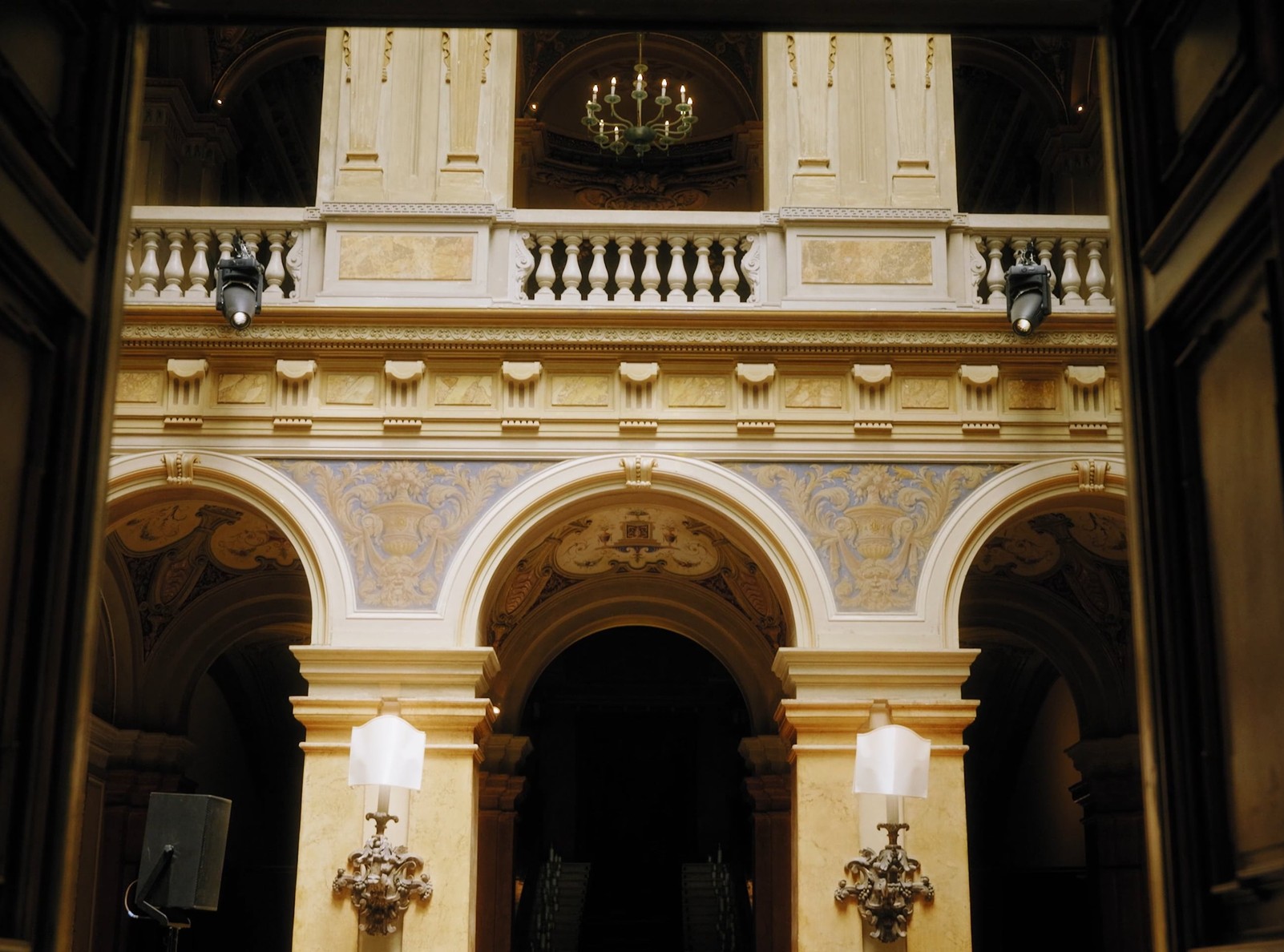
Super 8 Wedding Film: What It Is and Why Couples Want It
Why couples are asking for Super 8 at their weddings: what the format is, how it looks next to a digital film, the moments it suits, its limits in low light and sound, and how to plan for it.
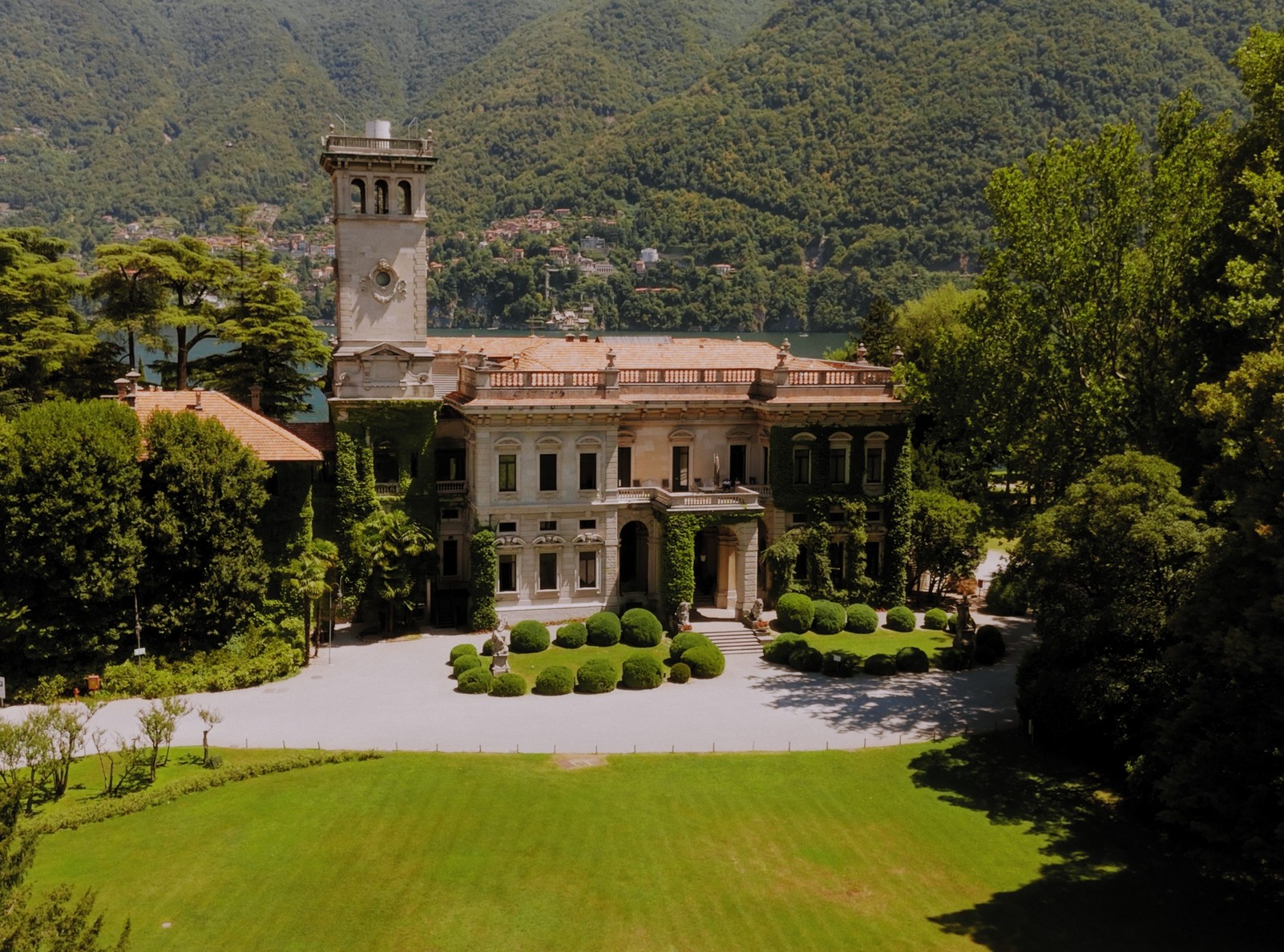
How to Keep Your Wedding Private: What the Celebrity Weddings Get Right
How to keep your wedding private when every guest carries a camera: phone policies, vendor confidentiality, venues with one way in, decor, drones and what happens to your wedding film.