Country
World

Author
YASIROV Films
How to Keep Your Wedding Private: What the Celebrity Weddings Get Right
How to keep your wedding private when every guest carries a camera: phone policies, vendor confidentiality, venues with one way in, decor, drones and what happens to your wedding film.
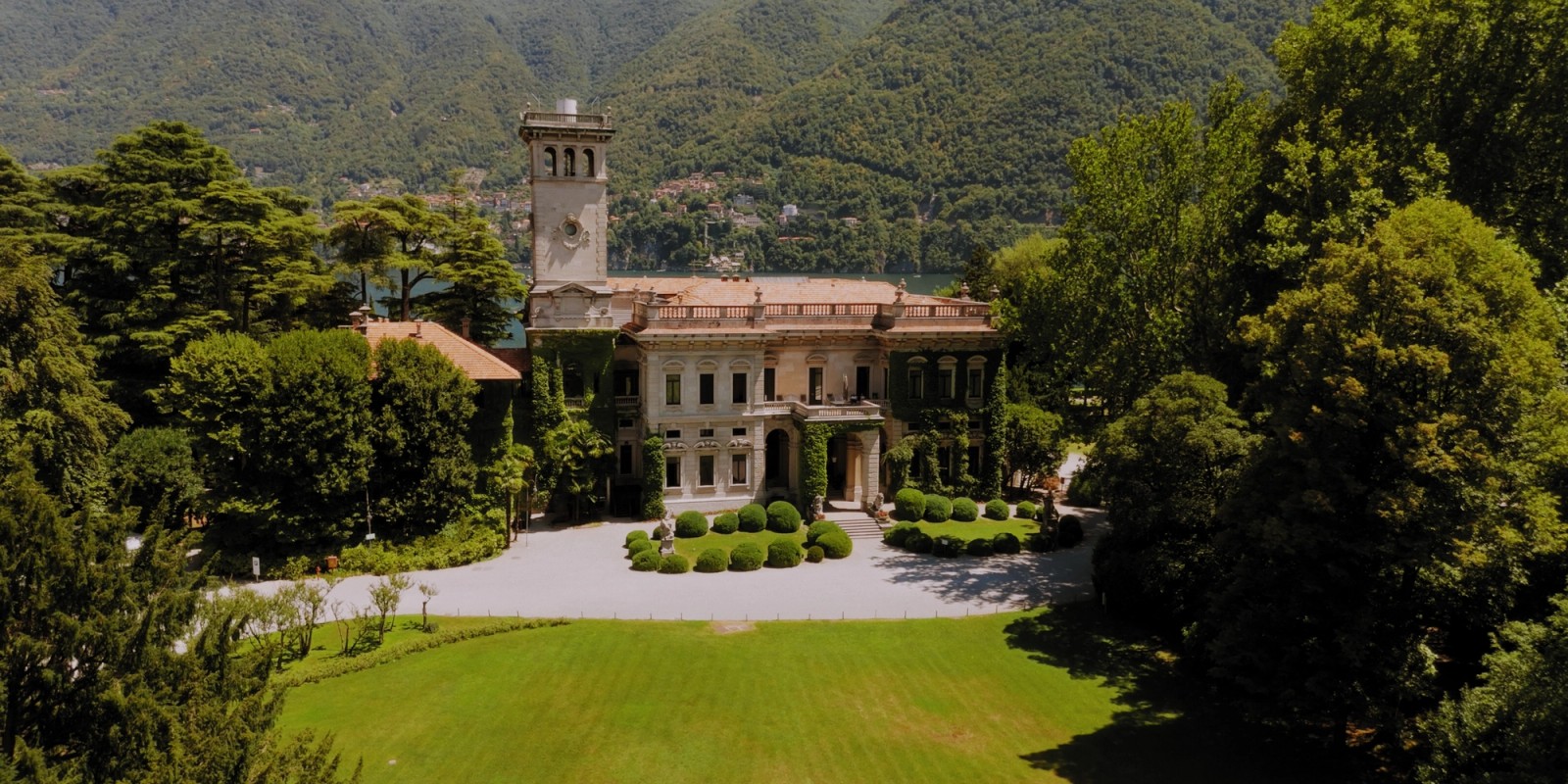
If you want to know how to keep your wedding private, the biggest wedding of 2026 is a useful case study, mostly for what it shows about where leaks come from. Taylor Swift and Travis Kelce married at Madison Square Garden in New York on July 3, 2026. According to the Associated Press, phones were apparently banned and no guest posts appeared from inside the arena. Months later, in late October, entertainment outlets reported that the Daily Mail had published images from inside the venue, and tabloids have since run anonymous claims about who shared them and what happened to the decor. None of that has been confirmed by the couple.
We are not going to repeat the gossip. What interests us is the pattern: a wedding with roughly 1,000 guests, NDAs (reported by Forbes) and a phone ban still leaked, and, if the reporting is right, the pictures came out long after the day. We film weddings at private villas on Lake Como, where some of the guests are people who really do not want to be photographed, so this guide is about what actually works, from guest phones to vendor contracts to the film you get afterwards.
Can you keep a wedding completely private?
No, not completely, and it is better to plan with that in mind. You can make leaks unlikely and you can control what comes out first. A small guest list, a venue with one way in, a clear phone policy and vendors who sign confidentiality terms cover most of the real risk. Everything else is damage control.
Planners who work with high-profile clients say the same thing in different words: the leaks come from people, not from technology. A guest who thinks one Story to close friends does not count. A staff member at the venue with a phone in an apron pocket. A supplier who posts a "behind the scenes" teaser to win the next booking. The decor team, the bus driver, the cousin who was not invited. When you plan privacy, plan around those people.
There is also a difference between three goals that couples often mix up:
- Secrecy: nobody outside knows the date or place before the day.
- Privacy on the day: no photos leave the venue while the wedding is happening.
- Control afterwards: you decide when and what is published, and by whom.
Most couples need the second and third. Secrecy matters mainly when there is a real risk of photographers or crowds turning up.
How do celebrities stop guests from posting?
They collect the phones. A ban that relies on good manners works for maybe nine guests out of ten; the tenth is the one who posts. High-profile weddings usually hand out pouches that lock until they are opened at an exit station, or check phones in at the door like coats, and they combine that with an NDA for guests.
For a normal wedding the full version is rarely needed, but a lighter version works well:
- Say it early. Put the request on the wedding website and repeat it in the last email before the trip. Guests who know in advance do not feel ambushed at the door.
- Give a reason that is about them. "We want to see your faces, not your phones" lands better than "no photos allowed".
- Have the officiant say it out loud just before the ceremony starts. This one sentence does more than any sign.
- Decide what the rule covers. Phones away for the ceremony only, or no posting at all until you post first? Be specific.
- Offer a release. A shared private album where guests can upload their own photos after the wedding takes the pressure off. People want to share; give them a place to do it that is not public.
Locking pouches are worth it when you have famous guests, children of famous guests, or anyone with a security detail. They also change the atmosphere, in a good way: people talk to each other more. In our experience an unplugged ceremony feels quieter and more focused, and the footage is cleaner for it.
Do NDAs for wedding guests actually work?
An NDA for guests is mainly a deterrent and a clear statement of the rules. It makes people think twice. Enforcing it afterwards against a friend or relative is another matter, expensive and rarely worth it. For vendors and staff, a confidentiality clause is more useful, because they have a business to protect.
Our practical advice:
- Guests: most couples do not need a signed NDA. A clear written request and a phone check-in do the job. If you have guests whose own privacy is at stake, talk to a lawyer about a short, readable agreement rather than a ten-page document nobody reads.
- Vendors: put confidentiality into every contract, not just the photographer's. Florist, lighting, catering, transport, hair and makeup, the band. Each of them has staff on site.
- Venue staff: ask the venue in writing how they handle staff phones during events. Luxury hotels on Lake Como deal with this often and usually have a policy; ask to see it.
- Planners: a good planner coordinates all of the above and is usually the first to notice who is filming on the service corridor.
The Swift wedding is a reminder that a signed NDA does not stop a leak by itself. According to the tabloid reports, the images surfaced months after the day, which suggests someone kept them. The same rule applies to you: think about who can take a picture, not only who promised not to share it.
What makes a venue good for a private wedding?
One way in, no public view, and staff used to discretion. A private villa or estate with a single gated entrance, high walls or trees on the public side, and a garden that cannot be seen from a road or a public path is much easier to protect than a hotel terrace shared with other guests.
On Lake Como this matters more than people expect, because the lake itself is the public road. Boats pass close to the shore, and anyone with a long lens on a rented boat can see a lakefront terrace. George and Amal Clooney have had a house in Laglio on the western shore for years, and the stretch of water in front of it has become a sightseeing route of its own. That tells you where the exposure comes from on a lake: the water, not the gate.
What to look for when you visit venues:
- Entrances: how many ways in are there, including service gates and the dock? Who controls each one on the day?
- Exclusive use: can you book the whole property, so there are no other hotel guests or day visitors? Some villas are exclusive-use only, some hotels offer a buyout, some cannot.
- Sight lines from the water: where would a boat have to be to see the ceremony? Is there a part of the garden screened by trees or walls?
- Arrival by boat: a private dock lets guests arrive without walking through a town. The other side is that a dock is also a way in, so it needs someone at it.
- Neighbors: a villa between two private houses is quieter than one next to a public lido or a ferry stop.
Our guide to Lake Como wedding venues covers the main villas and hotels, and pages like Villa Pizzo and Villa Balbiano go into the layout of specific properties. Ask the venue directly about exclusive use and staff phones; it is a normal question for them.
Can you stop drones over your wedding?
Not directly. You cannot ban someone else's drone from public airspace, and in Italy the rules for drones are set by the aviation authority, not by the venue. What you can do is choose spaces that are hard to see from above, ask the venue to report unknown drones, and make sure your own film team flies legally and only where you agree.
A few practical points for Italy:
- Your own drone footage: in Italy, operators register on the official D-Flight platform, and many villas and towns have their own restrictions on top of the national rules. Ask your videographer whether they are registered and whether the venue allows flights. We only fly where the venue allows it.
- Other people's drones: most are tourists, not paparazzi. A drone hovering over a garden for long is unusual, and venue security can report it to the local police.
- Cover: pergolas, tree-lined terraces and inner courtyards are naturally private from above. If you are worried about it, hold the ceremony there and leave the open lawn for the aperitivo.
What should happen to the decor, menus and paper after the wedding?
Plan it in advance, because printed material and custom pieces are what end up on resale sites and social media. Agree with your planner and florist who takes what at the end of the night, and whether anything with your names, monogram or guest list needs to be collected, shredded or destroyed rather than left behind.
According to an anonymous source quoted by the Daily Mail, Swift's team destroyed the decor afterwards so it could not be resold. Whether that is true or not, the practical problem behind it is real. Things that tend to leak after a wedding:
- Printed seating charts and guest lists left on easels or tables.
- Menus and place cards with names on them.
- Custom signage and monograms that end up on a reseller's page.
- Floral installations that a supplier photographs for their portfolio the next morning.
The simplest fix is a line in each vendor contract about what they may photograph and publish, and a person (usually the planner) who walks the venue at the end of the night and collects anything with names on it. Flowers can often be donated without labels; nothing needs to be burned.
Who owns your wedding film, and who decides when it is published?
In most videography contracts the studio keeps the copyright and the couple gets the right to use the film personally. What matters for privacy is the separate question of publication: whether the studio may show your film or clips at all, and when. Agree that in writing before you sign.
These are the points worth settling with any film team:
- Portfolio use: may they publish the film, stills or clips on their website and social channels? Many couples are happy to say yes after a delay.
- Embargo: nothing goes online until you post first, or until a date you choose.
- Specific moments: you can ask for some guests, some moments or the whole ceremony to stay out of anything public.
- Delivery: how is the film sent to you, and who else can see it?
- Raw footage: where is it stored, and for how long?
With us, the default is simple. We do not post anything from your wedding before you do. Delaying publication, or leaving out specific moments and specific people, costs nothing; you tell us and we note it. If you want nothing from your wedding published anywhere, ever, we offer that as a full privacy option, agreed individually before you sign the contract, because it means we cannot use the work to show future couples.
Delivery is private by default. Vimeo, which we use, lets a film be password protected, unlisted or fully private, and your films reach you through a private link that is not listed anywhere. If you share it with family, they see what you choose to show them.
How do you control the first photos that go public?
Post first, and decide in advance what you post. Leaks get attention when there is nothing official to compare them with. If you share one or two pictures or a short clip yourselves within a day or two, the curiosity drops, and guests who were waiting for permission can share theirs.
A simple plan that works for most couples:
- On the night: nothing public. Guests know the rule.
- The next day or two: you post one picture or a short clip, if you want to.
- After that: guests may share their own photos, ideally from the shared album.
- Weeks later: the film arrives. You decide when, and if, the longer film is posted.
If you want same-day clips, a content creator can send you short videos during the evening for your own phones, and nothing goes public unless you post it. We wrote about how that differs from a film in wedding film vs content creator, and about how younger couples think about sharing in our piece on Gen Z and TikTok wedding films.
A privacy checklist for your planning timeline
Put privacy on the planning list early, not in the last month. Most of it costs nothing if you decide it before contracts are signed.
- 12 months out: choose a venue with exclusive use and one controlled entrance. Ask about staff phone policy.
- When booking vendors: add confidentiality and publication terms to every contract. Ask the film team about embargo and private delivery.
- On the invitation or website: state the phone and posting rule clearly.
- Two weeks out: brief the planner on who controls the gate, the dock and the service entrance. Decide who collects printed material at the end.
- On the day: phone check-in or pouches if needed, the officiant's reminder, one person watching the edges of the room.
- After the wedding: you post first. Guests share in the private album. The film team waits for your go-ahead.
FAQ
How do I tell guests not to post wedding photos?
Write it on the wedding website and in your last pre-wedding email, then have the officiant repeat it before the ceremony. Keep it warm and specific, for example: please keep phones away during the ceremony, and wait until we share our first photos before posting. Give guests a private album so they still have somewhere to share.
Should wedding guests sign an NDA?
Most weddings do not need one. A written request and a phone check-in work for ordinary guest lists. When guests include public figures or people with their own security concerns, a short NDA drafted by a lawyer can make sense. For vendors, a confidentiality clause in the contract is more useful than an NDA for guests.
Can my videographer post my wedding film without asking?
It depends on your contract, which is why you should read the publication clause before signing. With us nothing is posted before you post, and you can delay publication or exclude moments for free. A full no-publication option exists and is agreed individually before booking.
How do celebrities keep their weddings private in Italy?
The usual pattern is an exclusive-use villa or estate, guests brought in by organized transfers or boats rather than arriving on their own, phone collection, confidentiality terms for every supplier and security at each entrance, including the dock. Lake Como is popular for this because many villas can be booked as a whole.
What is an unplugged wedding?
An unplugged wedding asks guests to put phones and cameras away for the ceremony or the whole day, leaving photos and film to the professionals. It is the simplest privacy measure there is, and it also makes the ceremony footage cleaner, because nobody's phone is in the aisle.
How long should a film team wait before posting?
Until you have posted first, at minimum. Many couples ask for a fixed date, for example after the honeymoon or after a family event. With us, any delay you choose is free. Just tell us when you book.
Planning a private wedding?
If you are planning a wedding in Italy and privacy matters to you, tell us about your date and venue on our contact page. We will tell you honestly what we can promise and what depends on the venue.
Other stories you may like
Wedding Videographer in France: Provence and Château Films
Wedding films in France by YASIROV Films: a château wedding near Paris, a Provence day in Mougins, and how we plan private-estate weddings outside Italy.
How Gen Z and TikTok Are Rewriting the Wedding Film
How Gen Z couples and TikTok are changing wedding films: what couples now expect, the rise of the wedding content creator, and what it means for filmmakers.