Filming château and Provence weddings in France
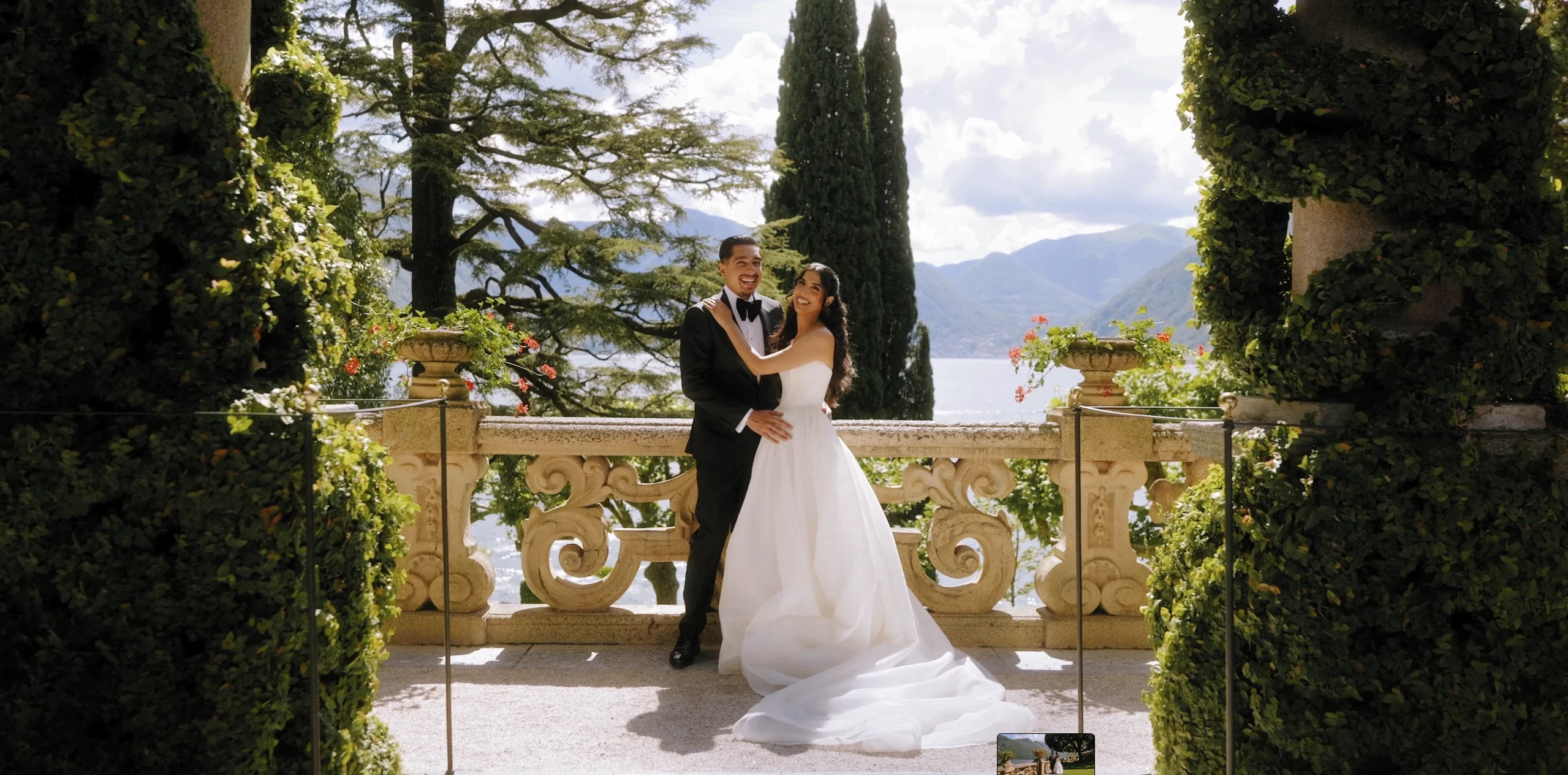
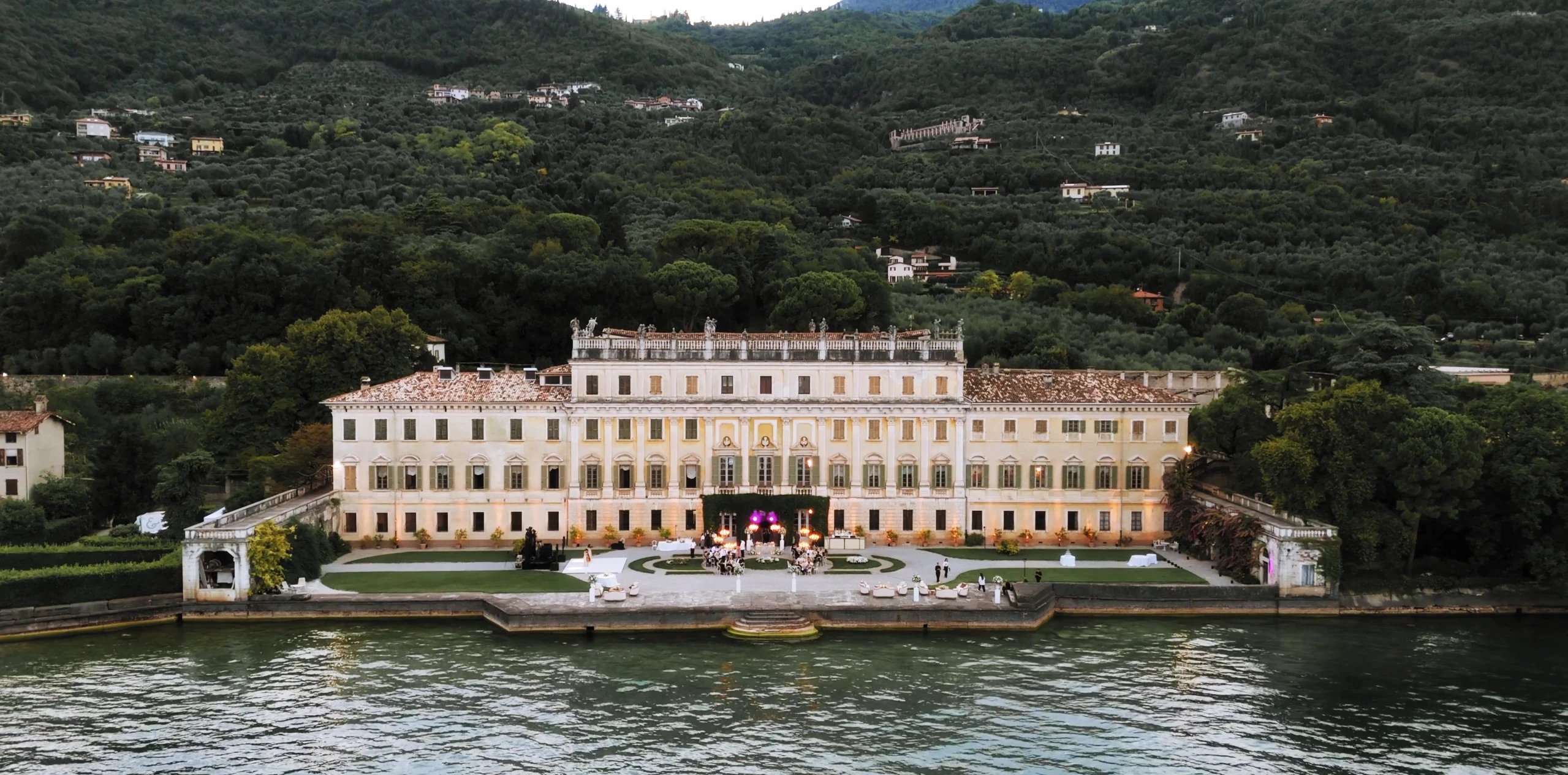
Joel and Sasha married at Château de Saint-Martin-du-Tertre in Val-d'Oise, just north of Paris, in a ceremony set against the château's formal facade with the grounds stretching out behind them. A few seasons later, we filmed Michael and Evey's wedding in Mougins, a hilltop village above Cannes, where the light off the Provençal countryside gave the whole day a golden, unhurried feel. Two very different corners of France, two very different atmospheres — and a reminder that our work has always extended beyond Italy, even if Como is where people usually find us first.
YASIROV Films beyond Italy
While Lake Como is where we're based and where most of our work happens, we've been filming destination weddings across Europe for as long as we've been filming Italian ones. France has become one of the regions we return to most, for the same reason couples choose it in the first place — the château tradition, the Provençal countryside, and a level of formal grandeur that's genuinely distinct from what Italy offers.
Couples sometimes assume a videographer based in Italy only works in Italy. That's not the case for us, and France is one of the clearest examples of why. Whether it's a formal château wedding outside Paris or a relaxed countryside celebration in the south, we bring the same observational, documentary approach we use on every wedding, adapted to the setting.
The château wedding: formality and scale
A château wedding carries a different weight than a countryside villa wedding in Italy. Joel and Sasha's wedding at Château de Saint-Martin-du-Tertre had a formality to it — the symmetry of the building, the long approach up the drive, the sense of stepping into something historic — that we leaned into rather than working against. Château weddings often involve larger guest lists and more structured timelines than an intimate Italian estate wedding, and we plan our coverage accordingly, making sure we capture both the grandeur of the setting and the quieter, more personal moments that can get lost in a bigger production.
Many châteaux across France, particularly in the regions around Paris, the Loire Valley, and Normandy, operate as full wedding venues with their own event teams, which makes logistics more predictable than at a private estate — useful to know when planning a wedding weekend that also involves travel for international guests.
Provence: light, countryside, and a slower pace
Mougins, where Michael and Evey married, sits above Cannes with views across the Provençal countryside, and it's a completely different register from a formal château wedding. Provence weddings tend to favor a more relaxed, garden-party atmosphere — long lunches, lavender fields in the distance, stone farmhouses turned into wedding venues. The light here has a particular softness in the early morning and again in the evening, and we build the shooting schedule to make the most of both.
Provence also draws couples who want a French wedding without the scale of a full château affair — smaller guest lists, more intimate settings, and a countryside backdrop that photographs and films beautifully without needing much staging at all.
Planning a private-estate wedding in France
Private château and estate weddings in France come with their own logistics, distinct from what we're used to coordinating in Italy. Many châteaux have specific rules around vendor access, timing, and noise curfews, especially for properties that are also private residences or historic monuments. We coordinate directly with the venue's event team ahead of time to understand what's allowed and when, so nothing about filming becomes a surprise on the wedding day itself.
Travel logistics also matter more in France given the country's size — a château outside Paris and a countryside estate in Provence are worlds apart, both in atmosphere and in distance. We recommend couples confirm their venue and region early, since it shapes everything from guest travel to the shooting schedule we build around the day.
What these weddings look like on film
At Joel and Sasha's wedding, some of our favorite footage came from the approach to the château itself — the building revealing itself slowly as guests arrived, before the formality of the ceremony took over. At Michael and Evey's wedding in Mougins, it was the opposite instinct: staying loose and unhurried, following the golden evening light across the hills as the reception wound down. Both films end up looking distinctly French, not because we changed our approach, but because the settings did the work.
Frequently asked questions
Do you only film weddings in Italy?
No — while Lake Como is home base, we've filmed destination weddings across Europe, including château weddings near Paris and countryside weddings in Provence. France is one of the regions we return to most outside Italy.
What's the difference between filming a château wedding and an Italian villa wedding?
Château weddings tend to carry more formality and often larger guest lists, with venues that operate as structured event spaces. Italian villa weddings are frequently more intimate and privately run. We adapt our coverage style to match the scale and tone of each.
Does travel to France cost extra?
Travel fees outside Italy and Switzerland are handled on a per-destination basis — details are on the relevant pricing page, which we'll confirm with you directly once we know your venue and dates.
What time of year is best for a wedding in Provence or at a château in France?
Late spring through early autumn offers the most reliable weather across both regions, with June and September particularly favored for softer light and more comfortable temperatures than peak summer.
If you're planning a wedding in France, whether at a château or in the Provençal countryside, we'd love to talk it through. Get in touch through our contact page, or take a look at more of our work to see if our style is the right fit.