How Gen Z and TikTok are changing wedding films
Search interest in Gen Z wedding culture spiked again this week, following a run of coverage from The Knot, Zola, and wedding-culture outlets like Nice News and Wedded Wonderland. The story underneath the spike is not really about a single viral clip. It is about a generational handover: Gen Z now makes up the majority of couples getting married, and the industry built around photographing and filming their weddings is adjusting in real time.
A different kind of couple
Zola's 2026 First Look Report, based on a survey of 11,500 couples, marks the first year Gen Z represents the majority of respondents. Some habits look familiar: bouquet tosses, religious customs, and full wedding parties are all being adopted at higher rates than the millennial couples before them. Other habits are new. Nineteen percent of couples said they were already deep in planning mode before getting engaged, touring or even booking venues ahead of a proposal. Reddit usage for wedding planning jumped from 3 percent in 2025 to 9 percent this year, while Pinterest still leads at 77 percent.
What ties it together is a preference for the unpolished over the perfect. Vintage décor, organic florals, mocktail menus, and warm, earthy palettes show up again and again in the survey data, alongside a broader shift The Knot's Gen Z editor summed up simply: this generation treats a wedding as "a chapter in their story," and wants the documentation to feel like a chapter, not a highlight reel staged for an audience.
What TikTok trained couples to expect
That preference has a clear source. TikTok has spent the past few years turning specific wedding moments into shareable templates, and couples now arrive at their own weddings with a mental shot list drawn from someone else's video. Wedded Wonderland's roundup of the platform's most-repeated formats includes the "morning after," where newlyweds film themselves eating leftover cake the day after the celebration ends, and "before the aisle," which captures the private minutes just before a ceremony starts, often paired with a dramatic dress reveal. Others are built entirely around audio: couples now plan their ceremony entrance music partly because they know they will post a clip of walking down the aisle to it, and reaction videos synced to trending sounds have become their own genre.
The throughline in nearly all of them, as one writer covering the trend put it, is that "they do not feel staged for perfection. They feel alive." That is a meaningful shift for anyone filming weddings professionally. It is not a rejection of craft, but a rejection of the idea that craft has to look composed.
The rise of the dedicated content creator
One consequence has been a new role on the vendor list, sitting somewhere between photographer and social media manager. Toronto-based creator Vanessa Buonaguro built a business, Dear Diary Social, entirely around this gap: she shoots 700 to 1,000 clips per wedding on an iPhone and delivers three to five short, trend-styled videos within 48 hours, at a starting rate of $1,500. Notably, she says roughly 90 percent of her clients are not influencers chasing an audience. They are ordinary couples who "scroll but rarely post," and simply want a fast, honest record of the day rather than a cinematic film they will watch once a year.
The Knot's own reporting on Gen Z couples points to the same pattern at a larger scale: requests for camcorder-style editing, Super 8mm-style projections at the reception, and creators running "confessional booths" or roaming guest interviews throughout the weekend. The wedding video, in other words, is being asked to do two different jobs at once. One is the traditional job: a well-shot, well-cut film that holds up on the tenth anniversary. The other is new: a same-day or next-day piece of content built for a nine-second attention span.
What it means for the people behind the camera
Industry data backs up how quickly this has become standard rather than optional. According to Soul Motion's 2026 videography statistics, most premium video packages now include a 60 to 90 second social highlight as a default inclusion, not an add-on, and vertical formatting has become a baseline expectation rather than a request. Interestingly, the same data shows that sound quality on vows and speeches, not visual polish, remains the single biggest driver of how much couples value their film. Skipping a videographer altogether is still one of the most commonly regretted decisions after the wedding, more so than skimping on flowers or transport.
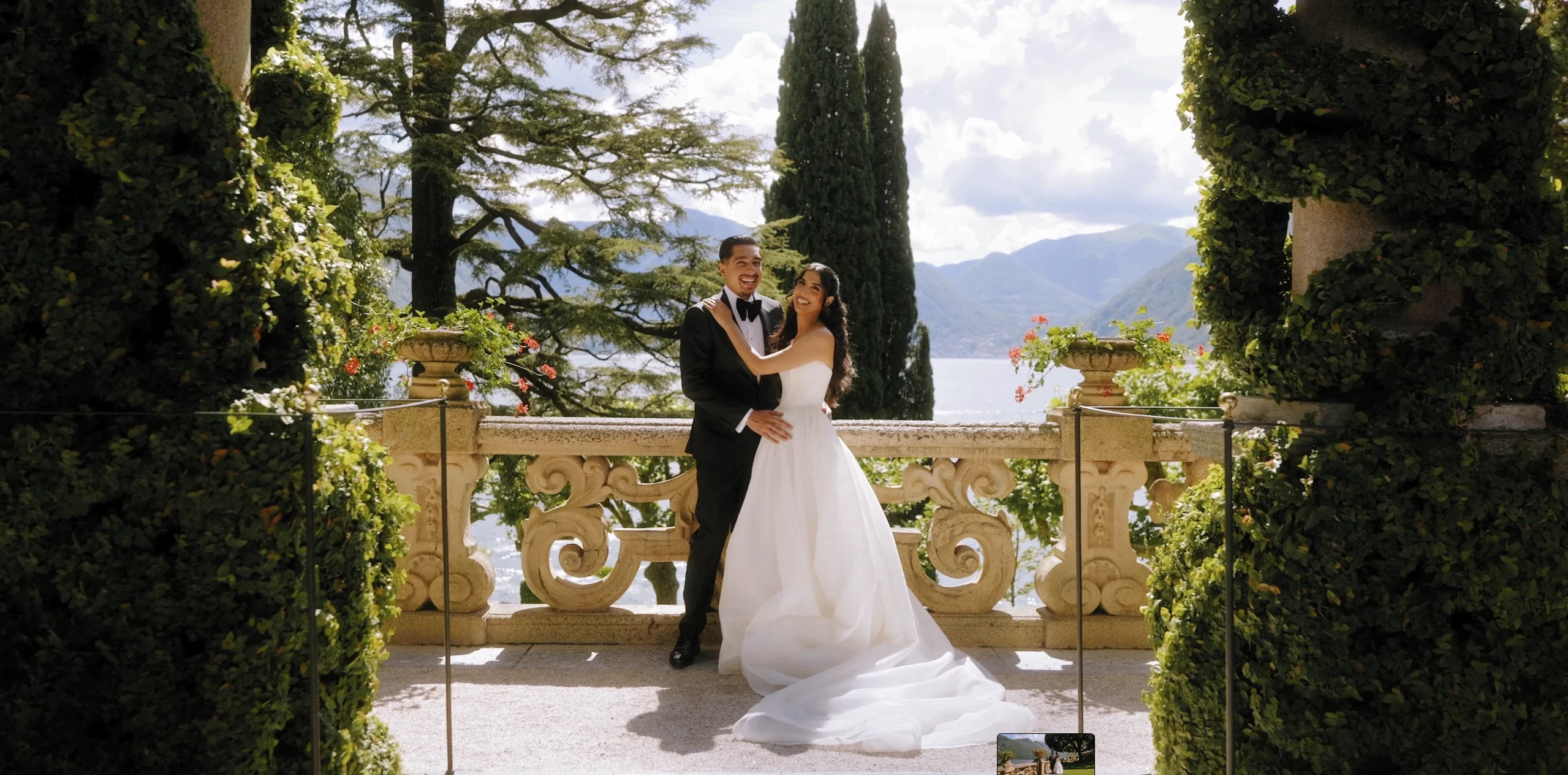
Put together, the picture is less about TikTok replacing traditional wedding films and more about the two formats coexisting on the same shot list. A couple filming a destination wedding still wants the wide, cinematic footage of a ceremony against a lake or a coastline. They also want a fast, 30-second cut of the day ready to post before the reception ends. Studios that treat both as part of the same job, rather than the second as an afterthought, are the ones best positioned for where Gen Z couples are heading next.
Sources
2026 Wedding Trends Spotlight: Gen Z and TikTok — Nice News
The New Viral Wedding TikToks Taking Over 2026 Weddings — Wedded Wonderland
Gen Z Wedding Trends in 2026, Spotted by Our Gen Z Editor — The Knot
"Couples 'hire me to recreate TikTok trends': Meet a full-time wedding content creator — Toronto Life
Wedding Videography Statistics 2026 — Soul Motion
Gen Z Enters the Wedding Chat: Zola Releases 2026 First Look Report — PR Newswire